
Gulf Coast
On-the-road OutdoorsField sites Sci., Engineering, & Tech
Spend 9 days deepening your understanding of the biology and ecology of beaches, marshes, and nearshore habitats.
9 days travel at
$1,500 plus tuition
BISC 352
3 or 4 Credit Hours
Instructed by
Dr. Richard Buchholz
Priority Deadline
March 27, 2026
Travel Overview
Go beyond textbooks and lecture halls. Study USA’s travel courses combine academic learning with hands-on, real world experiences. Every class maximizes its unique location with immersive activities.
You’ll earn academic credit, apply what you’re learning directly to your surroundings, and engage in lively class experiences—all guided by Ole Miss faculty.
What You'll Do
- Participate in the monitoring program of natural resource managers at a national estuarine research reserve
- Visit barrier islands to learn how their unique ecology is affected by tourism
- Interact with field scientists as they monitor artificial reefs and dolphin populations
- Help restore our coast line by re-planting living shorelines
- Explore behind the scenes at the MS aquarium to find out how their staff balance public recreation with environmental education
- Use your smartphone to collect project data and learn how apps are revolutionizing how we monitor ecosystem health
What You'll Learn
- Identify key flora and fauna of coastal ecosystems and understand their role as indicators of environmental quality.
- Get hands-on experience with lab and field equipment, and learn sampling methodologies to quantify animals and plants and to explore key questions in coastal management.
- Develop teamwork skills by managing group projects and working with peers to achieve project goals.
- Analyze and synthesize information for independent course projects on human impacts in the coastal zone, culminating in an oral presentation.
- Gain insights from industry experts through direct contact with invited guests from industry, government, and research relevant to Gulf Coast ecology and management.
All activities are tentative and subject to change depending on scheduling, booking availability, and course adjustments.
Meet Your Instructors
All Study USA courses are designed and led by Ole Miss faculty. Your instructor(s) will be your first point of contact during your travels and lead you through all the class experiences.
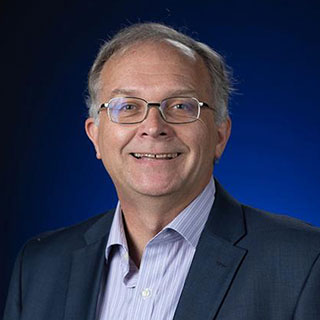
Richard Buchholz
Professor of Biology and Director of the Center for Biodiversity and Conservation Research
byrb@olemiss.edu
First, I’m a biologist… it is my profession to study the causes and functions of species diversity. The loss of species directly threatens my livelihood. Second, I love natural habitats. The diversity of nature enriches our lives and inspires our thoughts. Third, natural systems feed, clothe, and protect us. Photosynthetic organisms remove carbon dioxide from the air and release oxygen, forests hold and filter water for us to drink, and most of our medicines were originally discovered in plants, animals, and fungi.
“Learn basic experimental design, principles of environmental assessment and monitoring, and coastal habitat remediation.”
– Dr. Buchholz